
Designing Strong Residential Structure Tips

Building a strong and durable home requires more than just good aesthetics. It demands a deep understanding of structural principles, local environmental factors, and practical design strategies. Whether you are working on a new build, a remodel, or an addition, the strength of the structure is paramount to ensure safety, longevity, and compliance with building codes. This article explores essential tips for designing robust residential structures that stand the test of time.
Key Residential Structure Tips for Durability and Safety
When designing residential structures, several critical factors must be considered to ensure the building is safe, efficient, and compliant with local regulations. Here are some practical tips:
Understand Local Building Codes and Regulations
Every region has specific building codes that dictate minimum requirements for structural design. These codes address snow loads, wind resistance, seismic activity, and soil conditions. For example, in Colorado, snow loads and soil variability are significant considerations. Always start your design process by reviewing these codes to avoid costly revisions later.
Choose Appropriate Materials
The choice of materials affects the strength and longevity of the structure. Wood framing is common in residential construction due to its flexibility and cost-effectiveness. However, steel or concrete may be better suited for areas with high wind or seismic activity. Use treated lumber for areas exposed to moisture to prevent decay.
Incorporate Proper Load Path Design
A strong residential structure efficiently transfers loads from the roof and upper floors down to the foundation. Ensure that beams, joists, and columns are aligned to create a continuous load path. This reduces stress concentrations and prevents structural failures.
Plan for Environmental Challenges
Consider the local climate and environmental factors such as heavy snow, strong winds, or expansive soils. Design roof slopes to shed snow effectively, and use anchoring systems to resist uplift forces from wind. For areas with expansive clay soils, foundation design must accommodate soil movement to prevent cracking.
Use Advanced Structural Analysis Tools
Modern software allows for detailed framing analysis and load calculations. Utilize these tools to optimize material use and ensure safety margins are met without overdesigning, which can increase costs unnecessarily.

Wood framing under construction demonstrating load path alignment
What does being residential mean?
Understanding what "residential" means in the context of structural design is crucial. Residential structures are buildings intended primarily for people to live in, such as single-family homes, townhouses, and small apartment buildings. These structures have unique design requirements compared to commercial or industrial buildings.
Occupancy and Load Considerations
Residential buildings typically have lower live loads compared to commercial buildings. For example, the live load for residential floors is usually around 40 pounds per square foot, whereas commercial spaces may require 100 pounds or more. This affects the sizing of structural members.
Design for Comfort and Safety
Beyond structural integrity, residential design must consider occupant comfort, including vibration control, sound insulation, and thermal performance. Structural elements should not only support loads but also contribute to a comfortable living environment.
Aesthetic Integration
Residential structures often emphasize architectural style and curb appeal. Structural design must work seamlessly with architectural elements like vaulted ceilings, large windows, and open floor plans without compromising strength.
Code Compliance Specific to Residential
Residential codes often include provisions for fire safety, egress, and energy efficiency that differ from commercial codes. Familiarity with these nuances ensures that designs meet all legal requirements.
Practical Strategies for Foundation and Framing Design
The foundation and framing are the backbone of any strong residential structure. Here are actionable recommendations to enhance these critical components:
Foundation Design
- Conduct thorough soil testing to determine bearing capacity and soil behavior.
- Use frost-protected shallow foundations in cold climates to prevent frost heave.
- Consider slab-on-grade, crawl space, or full basement foundations based on site conditions and budget.
- Reinforce foundations with steel rebar to improve tensile strength and crack resistance.
Framing Techniques
- Use engineered wood products like LVL (Laminated Veneer Lumber) or I-joists for longer spans and better load distribution.
- Incorporate hurricane ties and metal connectors to improve resistance to uplift and lateral forces.
- Design for lateral stability using shear walls, braced frames, or moment-resisting frames depending on the seismic and wind requirements.
- Detail connections carefully to ensure load transfer and prevent failure points.
Integration with Mechanical and Electrical Systems
Plan framing layouts to accommodate plumbing, HVAC, and electrical conduits without compromising structural integrity. Pre-planning reduces costly modifications during construction.
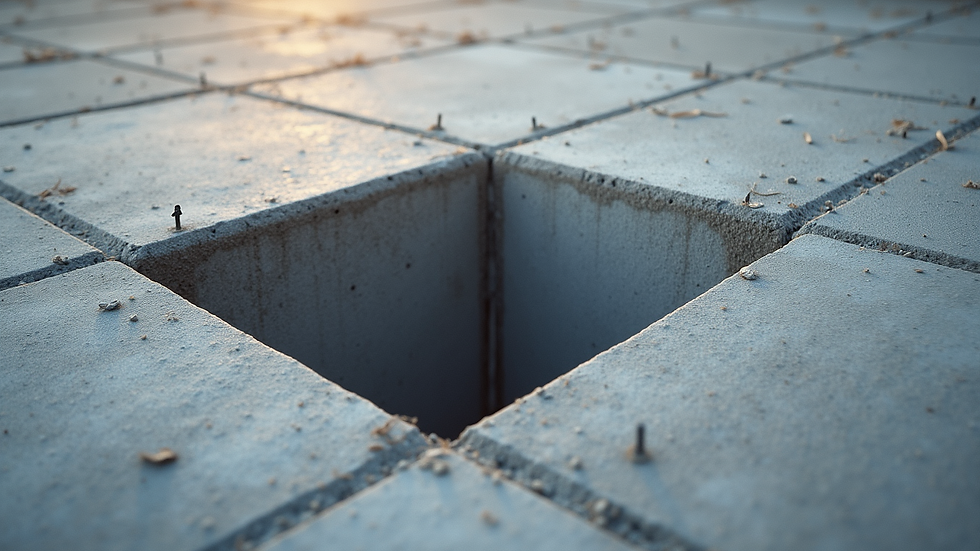
Concrete foundation with steel reinforcement bars prepared for pouring
Enhancing Structural Resilience Through Material Selection and Detailing
Material choice and detailing play a significant role in the durability and resilience of residential structures. Here are some insights:
Use Durable and Locally Suitable Materials
Selecting materials that perform well in the local environment reduces maintenance and repair costs. For example, in areas with high moisture, use moisture-resistant sheathing and siding materials.
Detailing for Moisture Control
Proper flashing, vapor barriers, and drainage planes prevent water intrusion that can weaken structural components. Pay special attention to roof-wall intersections, window openings, and foundation perimeters.
Fire-Resistant Design
Incorporate fire-resistant materials and design features such as fire-rated gypsum board, non-combustible cladding, and adequate separation between units in multi-family buildings.
Thermal and Acoustic Performance
Use insulation and soundproofing materials that complement the structural design. This improves occupant comfort and energy efficiency without compromising strength.
Regular Inspection and Maintenance
Design structures to allow easy inspection of critical components like beams, joists, and foundations. Early detection of issues such as rot, corrosion, or settlement can prevent major failures.
Collaborating Effectively for Successful Project Delivery
Strong residential structures result from effective collaboration among all stakeholders. Here are best practices to ensure smooth project execution:
Early Coordination with Structural Engineers
Engage structural engineers early in the design process to integrate structural requirements with architectural vision. This reduces redesigns and accelerates permit approvals.
Clear and Detailed Documentation
Provide comprehensive framing plans, design reports, and permit-ready drawings. Clear documentation helps builders understand the design intent and reduces errors during construction.
Responsive Support During Construction
Maintain open communication channels to address unforeseen site conditions or design clarifications promptly. This minimizes delays and cost overruns.
Code Compliance and Permitting
Work closely with local building departments to ensure all designs meet or exceed code requirements. Early submission and review can identify potential issues before construction begins.
Use of Technology for Coordination
Utilize BIM (Building Information Modeling) and cloud-based collaboration tools to share updates and coordinate changes in real time.
Building for the Future: Sustainable and Resilient Residential Structures
Designing strong residential structures today means planning for future challenges. Incorporate sustainability and resilience principles to create homes that are not only safe but also environmentally responsible.
Energy-Efficient Structural Design
Optimize building orientation, insulation, and window placement to reduce energy consumption. Structural elements can support solar panels and green roofs.
Resilience to Climate Change
Design for increased weather extremes by reinforcing structures against higher wind speeds, heavier snow loads, and potential flooding.
Use of Sustainable Materials
Choose renewable or recycled materials where possible. Engineered wood products often have a lower carbon footprint than steel or concrete.
Adaptability and Flexibility
Design structures that can be easily modified or expanded to meet changing needs without compromising integrity.
Long-Term Cost Savings
Investing in strong, sustainable design reduces maintenance costs and enhances property value over time.
By following these comprehensive tips and strategies, you can design residential structures that are safe, durable, and well-suited to their environment. Whether working on a custom home, an addition, or a remodel, prioritizing structural strength and code compliance ensures peace of mind and lasting quality.
For more detailed engineering solutions tailored to your project needs, consider partnering with experts who understand the unique challenges of your region and project type. Instinct Structural LLC specializes in delivering practical, code-compliant designs that combine safety, constructability, and efficiency for a wide range of residential projects.
This article aims to provide practical guidance for designing strong residential structures, focusing on safety, durability, and compliance with local building codes.


Comments